The Rogelio Sinán Project: Little Libraries for Taboga
July 17, 2024
Rogelio Sinán was one of the great figures of Panamanian literature, internationally recognized for his contribution to poetry, short stories and the novel. He was born on the Island of Taboga — a recurring theme in his work — on April 25, 1902, and his real name was Bernardo Domínguez Alba.
The idea is to promote reading and culture on the island by placing the writer’s books, and many others, in strategic spots, with a spirit of cultural exchange: a reading section on site (Rogelio Sinán’s books) and another for exchange.
The shelves would carry the logos of everyone involved in the project and would serve as a mark of the places where you can leave a book in good condition and pick up another to read. If old books pile up, they could be assessed and a decision made about their fate: discard them, move them to another shelf on the island, or send them back to the city for other exchange points.
I’ve talked with several people who run similar projects, and they generally agree that books tend to get lost or sold for a dollar in places like “Sal si puedes” in Panama City; the idea here is to restock the shelves every two weeks or once a month with a sponsor, for example the Ministry of Culture. As the saying goes: books are never lost, they always land somewhere they’re appreciated.
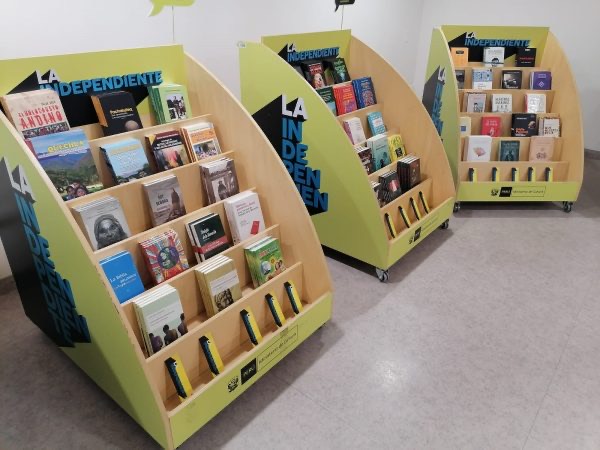
The island’s hotels — Taboga Palace, Vereda Tropical, Hotel Mundi, Cerrito Tropical and Villa Caprichosa — and restaurants such as Sabor Isleño, Playa Honda, Calaloo and Casa Tabogana would be good spots for some of the shelves; starting with about five, to see how it goes.
Of Rogelio Sinán’s books currently on the market, I’ve only managed to find La isla mágica (“The Magic Island”), but it’s worth researching to track down the rest of his books, short stories and poems — and eventually, perhaps, a small museum in honor of this great figure of Panamanian letters.
This idea will move forward little by little, together with the Fundación Pro Patrimonio y Cultura de Taboga, since it’s easier to reach a goal when it comes from a well-organized group.