Taboga Adventure Itinerary 2013
June 6, 2013
Since the trip runs from Friday morning, it gives us a chance to do better tours without having to rush.
The Calypso boat leaves from the little Amador dock at 8:30 am on Fridays; you need to be there at least an hour ahead. We’re a small group, but they don’t wait around, so my honest advice is to be there by 7:30 at the latest to buy tickets and get in line.
The boat ride takes 50 minutes, during which general information about the island and safety precautions are given — the island is safe, but you should always be prepared. We enjoy the entrance to the canal, the seagulls, and the occasional ship coming in; the ride is pretty relaxing, since the boat has two decks.
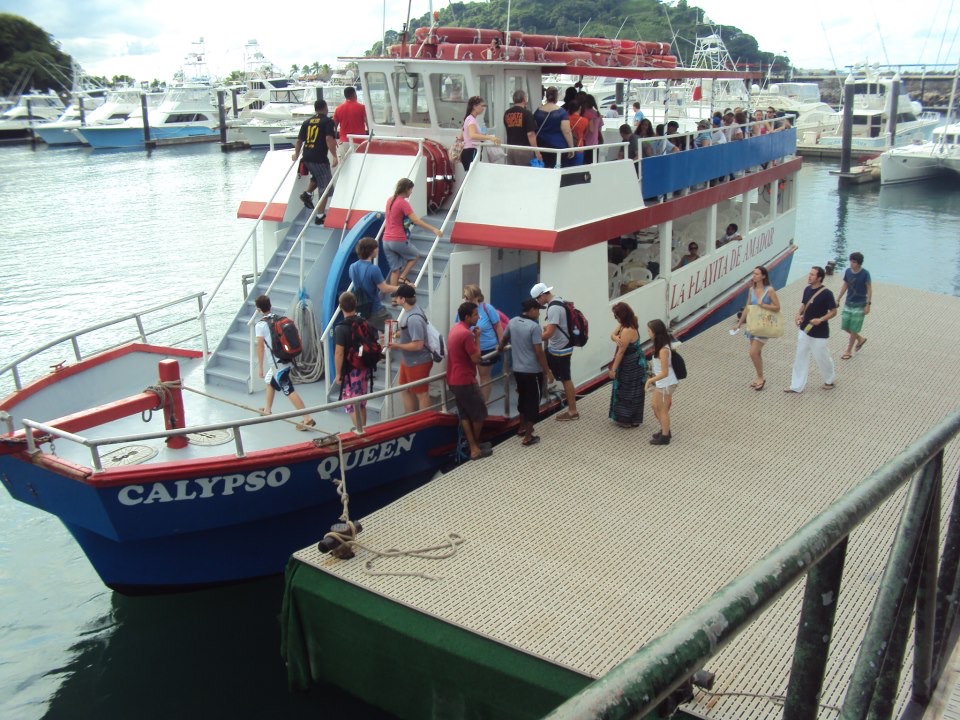
We arrive at 9:30 and head to the hotel — I believe the assigned one is the Mundi — we settle in, and those who need to change do so before heading out on the first hike at 10:00 am on Friday. By this hour the sun is already a factor, since noon is approaching, and even without rain it’s very hot and humid for a hiking route, so Friday is a town, El Morro, and surrounding-areas day.
Friday: town and El Morro
We visit spots like Taboga’s church, Rogelio Sinán’s house, the house of Hernando de Luque and Francisco Pizarro, as well as the old Aspinwall grounds, and we walk through the island’s narrow little streets — bring a camera or camcorder. Then we head a bit further into the island to see the bunkers the Americans built during World War II, and Playa Barlovento with its mangroves; from there we pass through Playa La Restinga toward El Morro, an islet that has an English cemetery and a monolith honoring the English who also passed through that island.
For this hike you need long pants, sneakers or boots (we’re in the rainy season), a long-sleeve sweater to avoid getting cut by the plants up on El Morro and on the way into Barlovento, plus insect protection; carrying water is a must, since the humidity is intense.
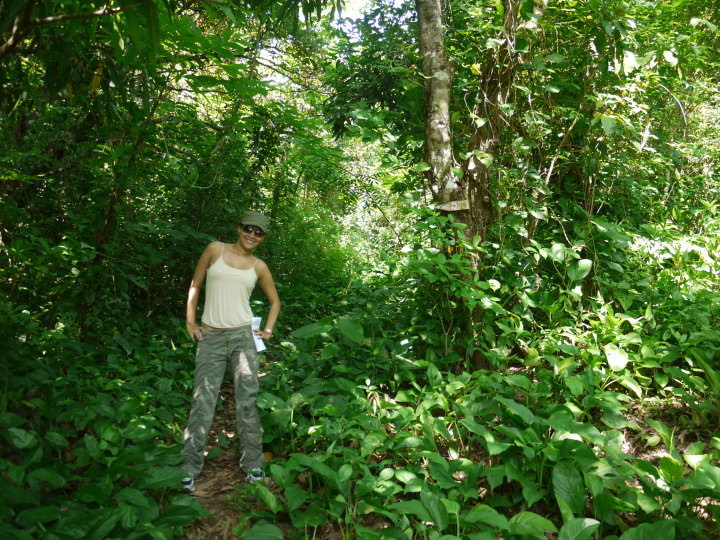
The hike can last around 3 hours, depending on the students’ pace; afterward we’ll come down for lunch around 1:00 pm, followed by some beach time at Playa Honda.
In the late afternoon we walk through the town’s various little parks again to watch the kids play and see night fall over the beautiful island of flowers.
Nightlife
Taboga doesn’t really have much nightlife to speak of; it has a few restaurants where you can eat with an ocean view, and two bars where the townspeople come down to dance after their workday. They usually don’t play music on weekdays, but come Friday it’s a different story — even they have their own stories.
The latest we should be back at the hotel is 10:00 pm on Friday, since the next day is the pirate outing.
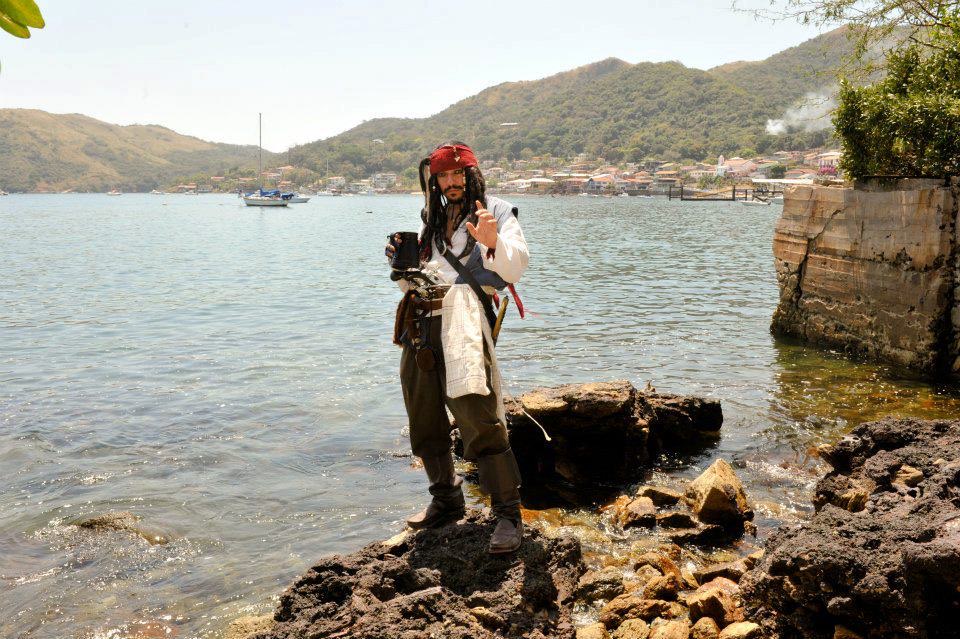
Saturday: pirate route with Jack Sparrow
Get up early; you can have breakfast around 8:00 to head out on the first hike at 9:00, toward Las Tres Cruces and then on to El Vigía, the island’s highest point, where there’s a bunker that used to house an anti-aircraft battery and the antenna that welcomes every plane arriving in Panama.
This hike takes roughly 3 hours, depending on the students; if there’s still energy left you can go around to the back of the island, but from experience the route is already fairly demanding, and it’s better to leave that for the next morning.
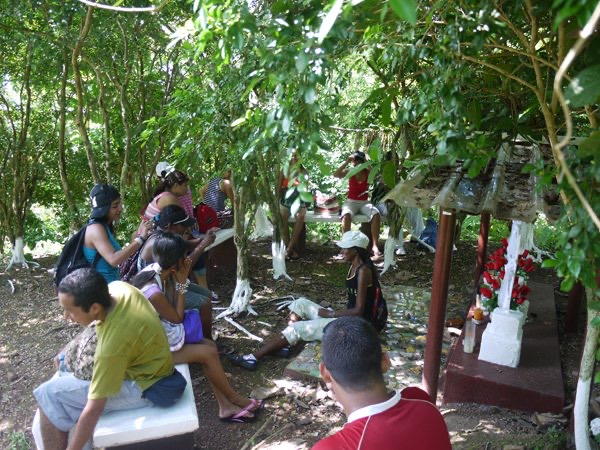
We head back around 12:00 noon for lunch and some beach time, then at 2:30 pm we take the boat tour around the island to see the San Pedro burial mound and the nesting brown pelicans; there are also small crystalline beaches barely touched by people, a very different view from what you see facing the island, since it’s an area protected by Anam. It’s a one-hour boat ride.
We return to Playa La Restinga to keep enjoying the beach; there’s food, ceviche, sausage, meat skewers, beach music, and cocktails made by locals, many of whom make their living from it.
Later that night we walk through the town again, when people come out to socialize and chat in the different parks.
Sunday
Get up early, breakfast, and a hike toward La Cruz and the back part of the island; it’s about a two-hour route, depending on the students. The catch is you have to climb a steep slope with no shade from the sun, which is why it’s an early-morning route.
We head back to the beach for Sunday’s activities on the island.
Three days is enough time to cover all the spots; the back part of the island is a forest reserve, and while there are trails, they’re very hard to walk because of the undergrowth and humidity. Work is underway to clear a path that would allow a full loop of the island, but that’s for the future.
Every one of these places we’ll visit has its own stories, added to what I’ve read in books and heard from locals, making for a complete tour for students and visitors to the island of flowers.
Best, Captain Jack